AI-phrodite
Advanced modern dating
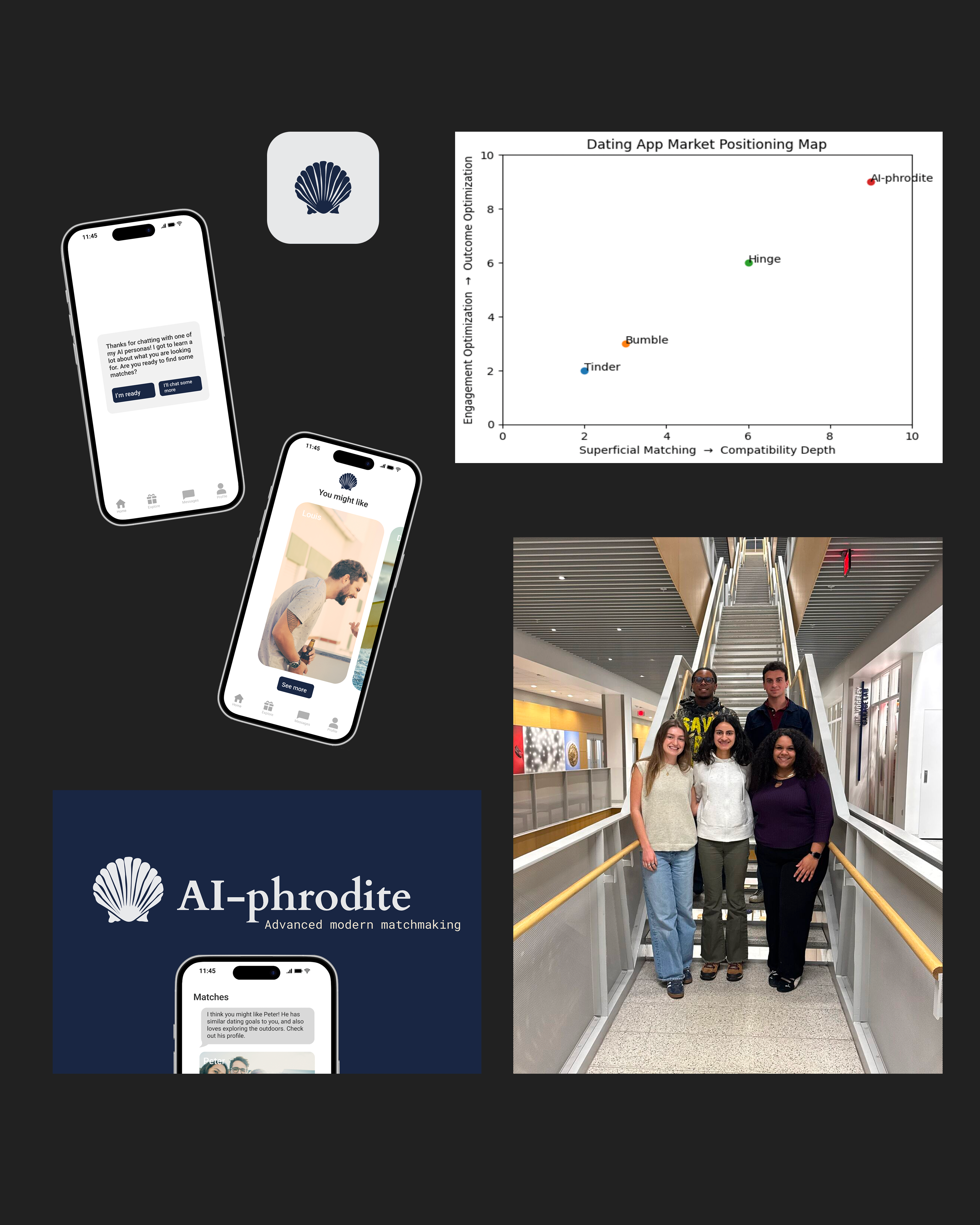
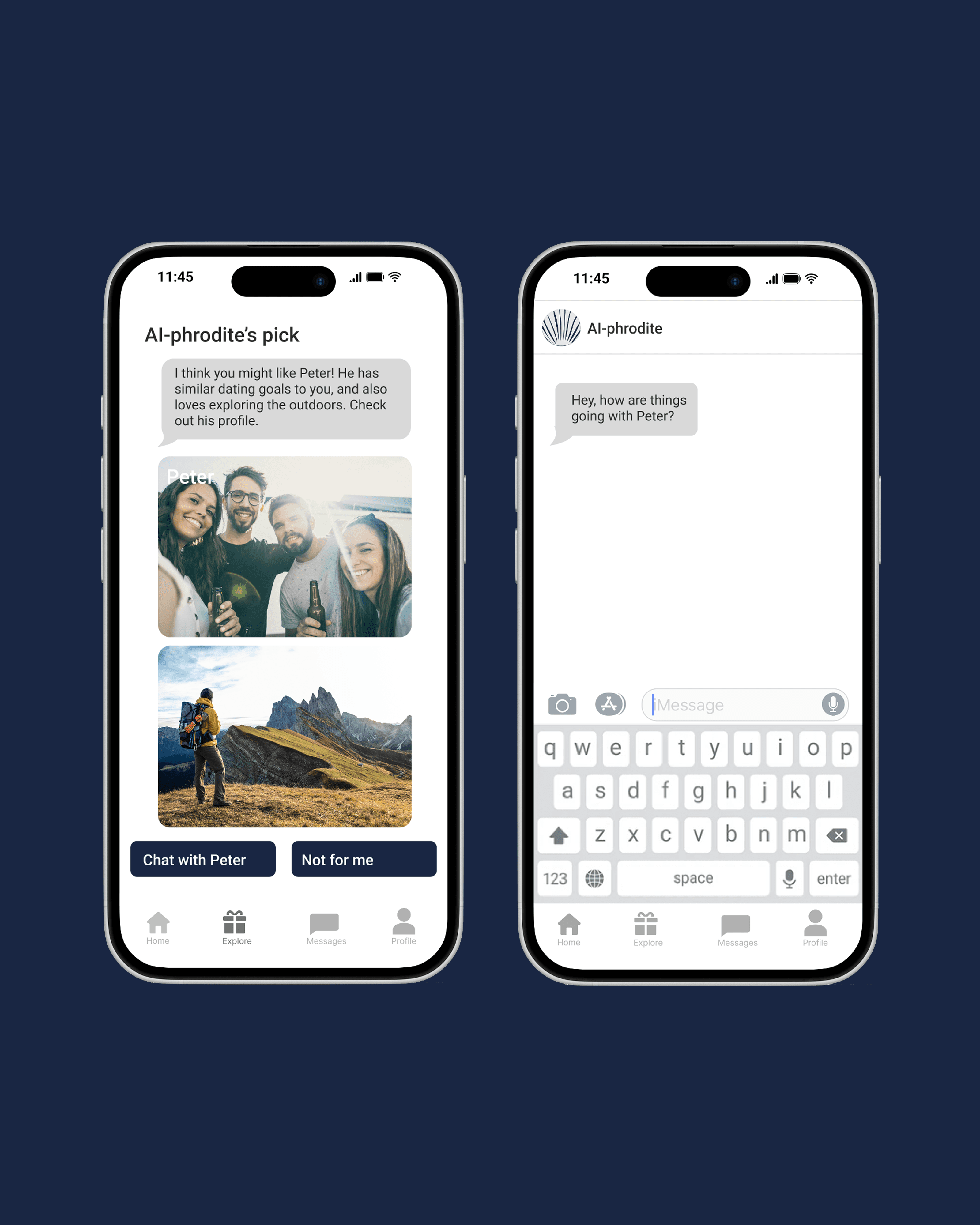
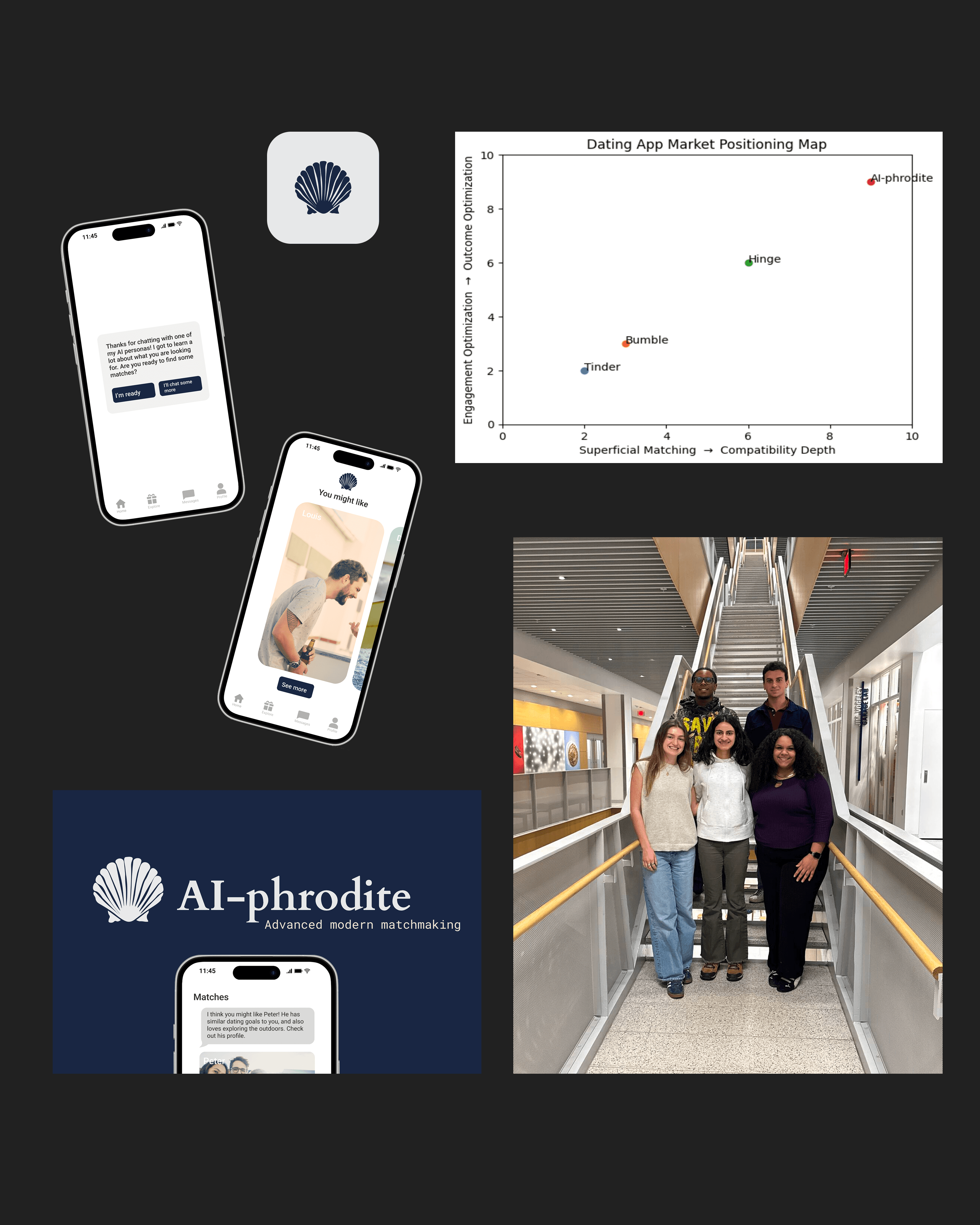
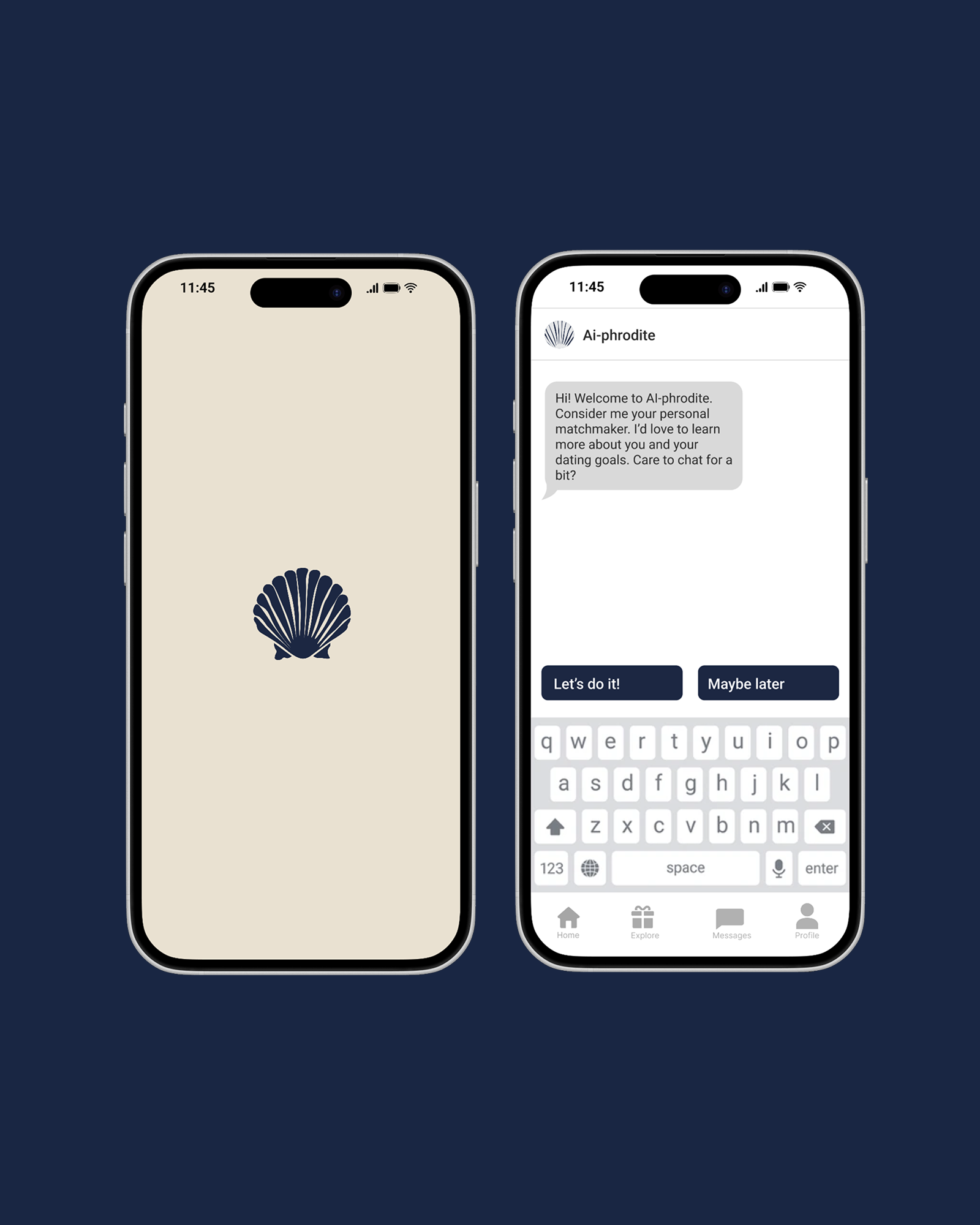
An AI-powered dating experience designed to move compatibility to the beginning of the dating process. Rather than relying on static profiles and endless swiping, AI-phrodite uses conversational AI to understand users' values, intentions, and communication styles, then uses those insights to surface fewer, higher-fit matches. I led product and brand design as part of a cross-functional team of product managers and engineers, taking the experience from early customer discovery through a functional prototype.
Project type
Academic
Timeline
2026
Role
Designer, Researcher
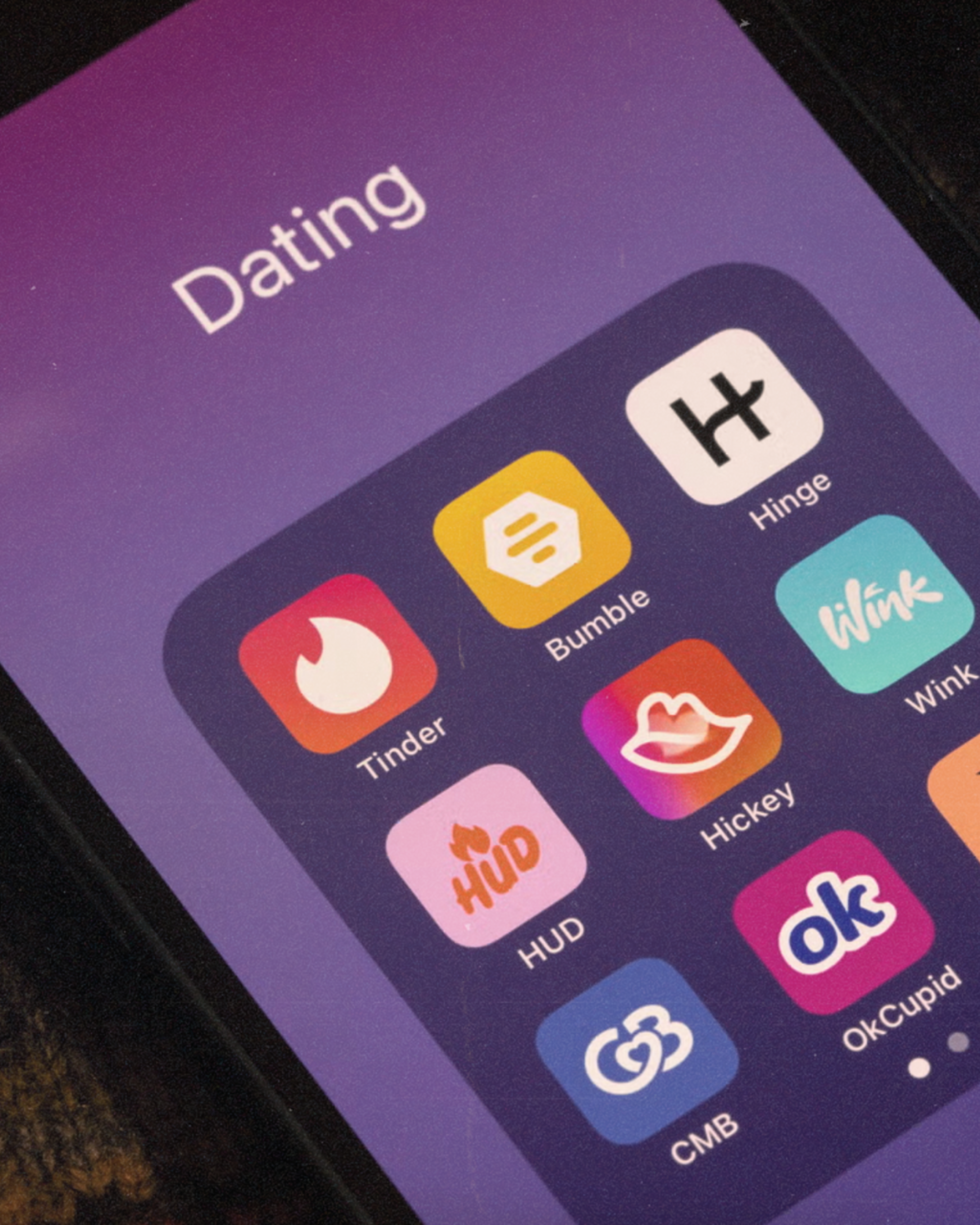
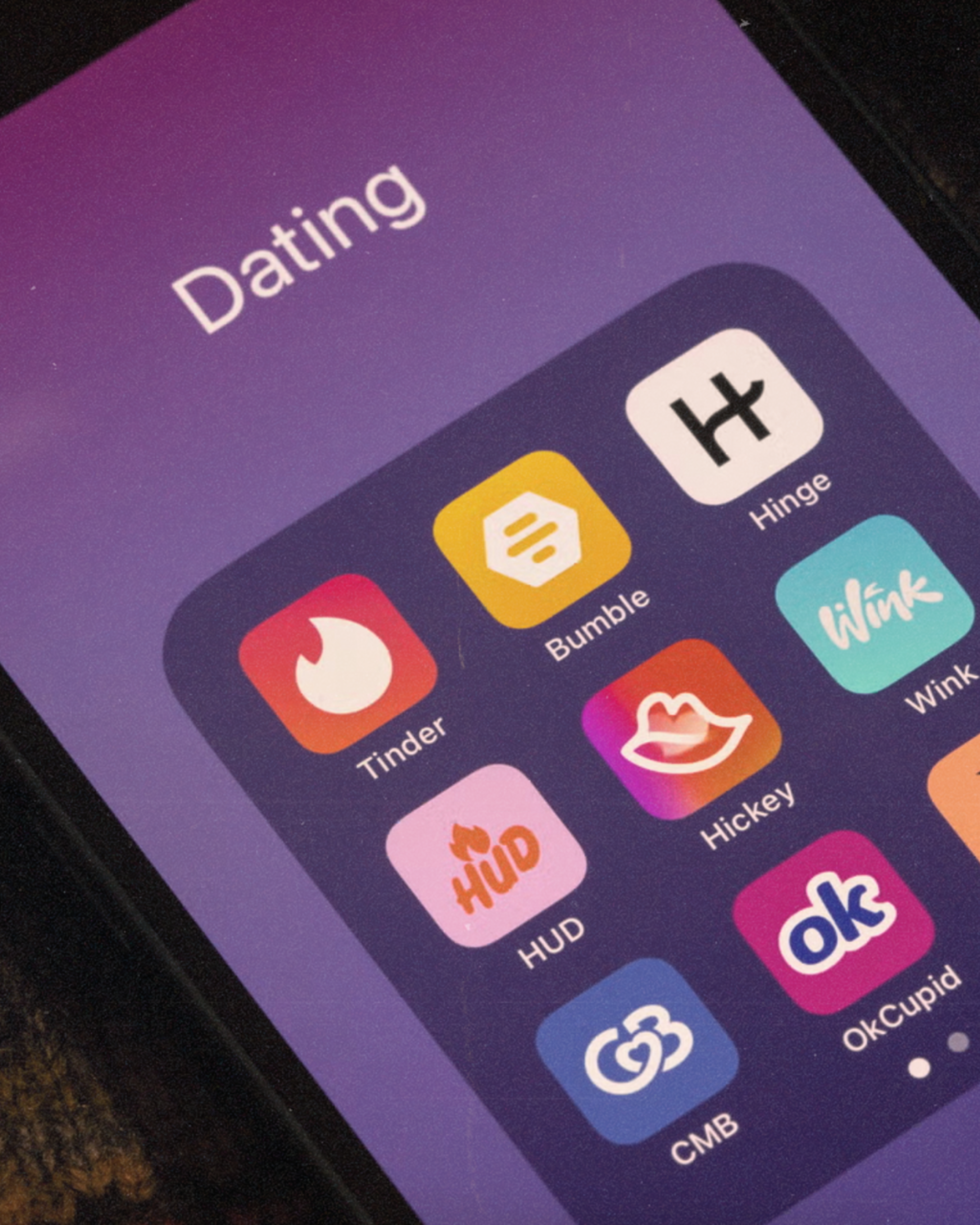
Before designing the product, our team interviewed 20 dating-app users in their early twenties to understand where existing experiences were falling short. Three core pain points emerged:
- Intent misalignment. Users could spend significant time talking to a match before realizing they wanted fundamentally different things.
- Surface-level compatibility. Existing profiles and prompts captured preferences, but struggled to reveal deeper values, intentions, and communication styles.
- Compatibility discovered too late. 90% of interviewees said they only discovered compatibility after weeks of messaging, while 87% wished dating apps did more to identify the matches actually worth pursuing.
The problem wasn't access to more matches. It was helping users understand who they were actually compatible with before investing significant time in a connection.
Working alongside a team of product managers and engineers, I led the product and brand design process:
- Customer discovery. Synthesized insights from 20 user interviews to identify recurring frustrations around intent, compatibility, and the time required to find meaningful matches.
- Product strategy. Helped translate those insights into a compatibility-first experience centered around conversational discovery rather than traditional profile-based matching.
- UX/UI design. Designed the core user experience and interface, including AI persona conversations, matchmaker interactions, and personalized match profiles.
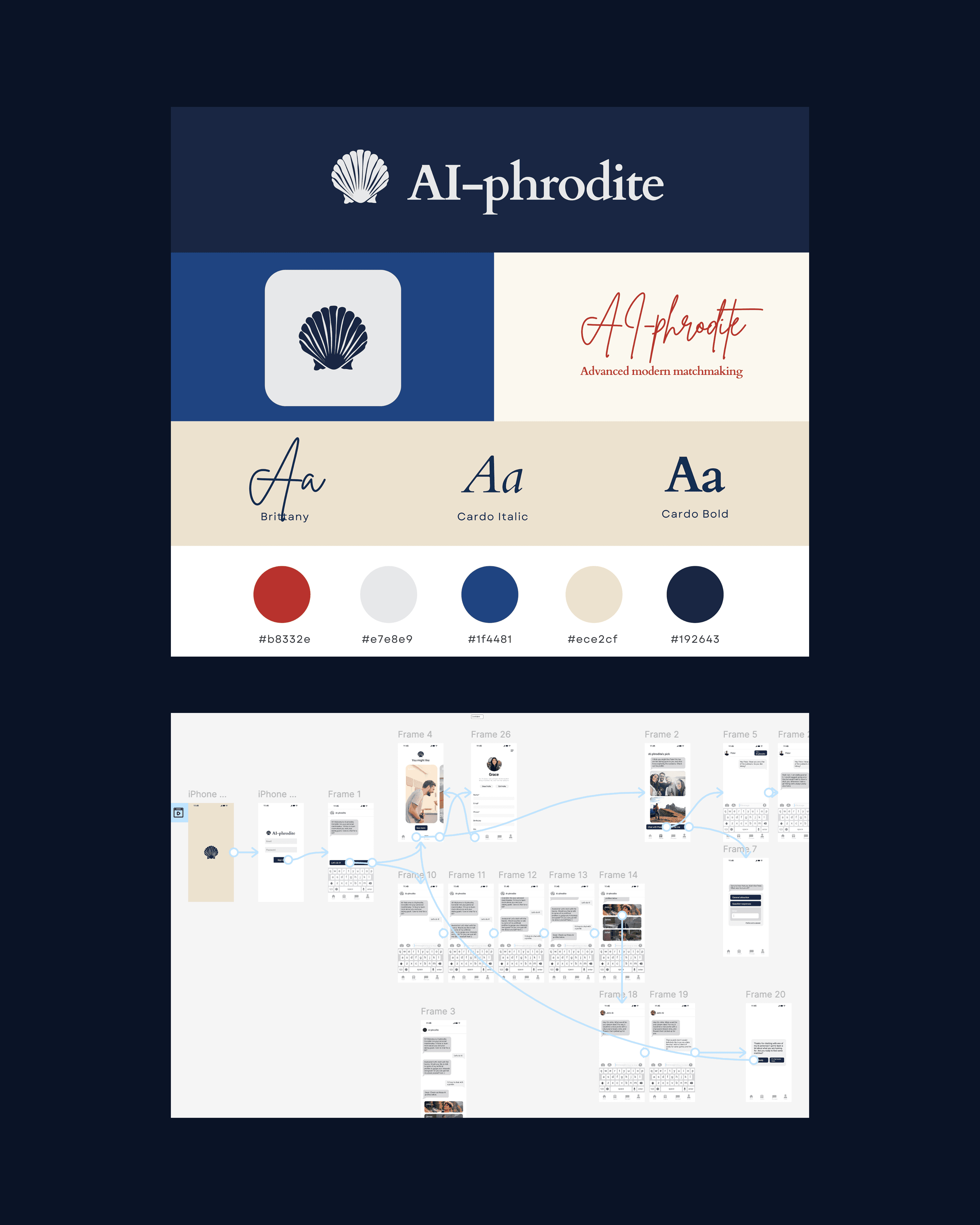
- Brand design. Built AI-phrodite's visual identity around the idea of a modern matchmaker, developing the shell icon, typography, color system, and overall visual language.
- Cross-functional iteration. Worked closely with my team to refine the experience and translate designs into a functional prototype.
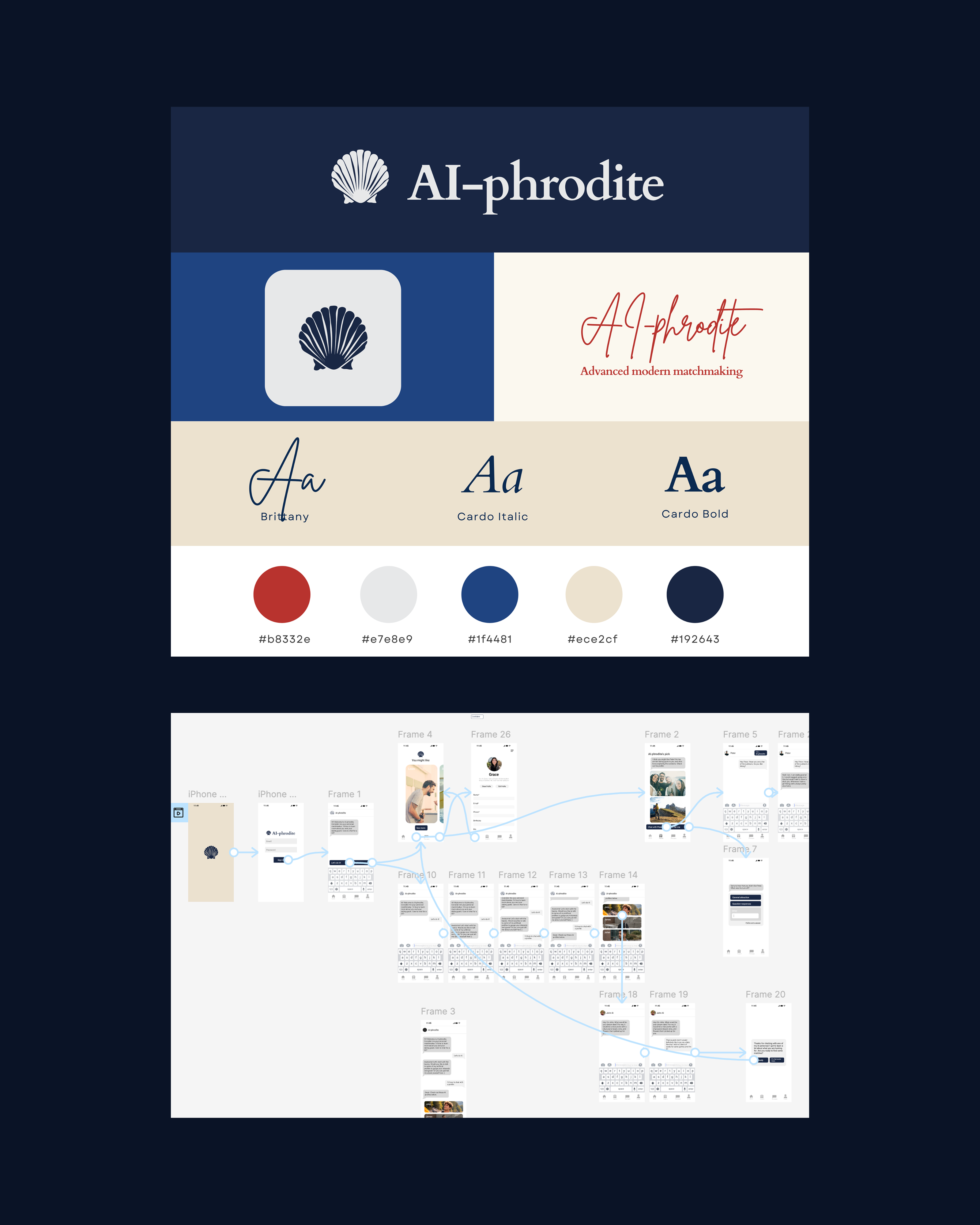
AI-phrodite reframes the dating-app experience around compatibility before quantity, through:
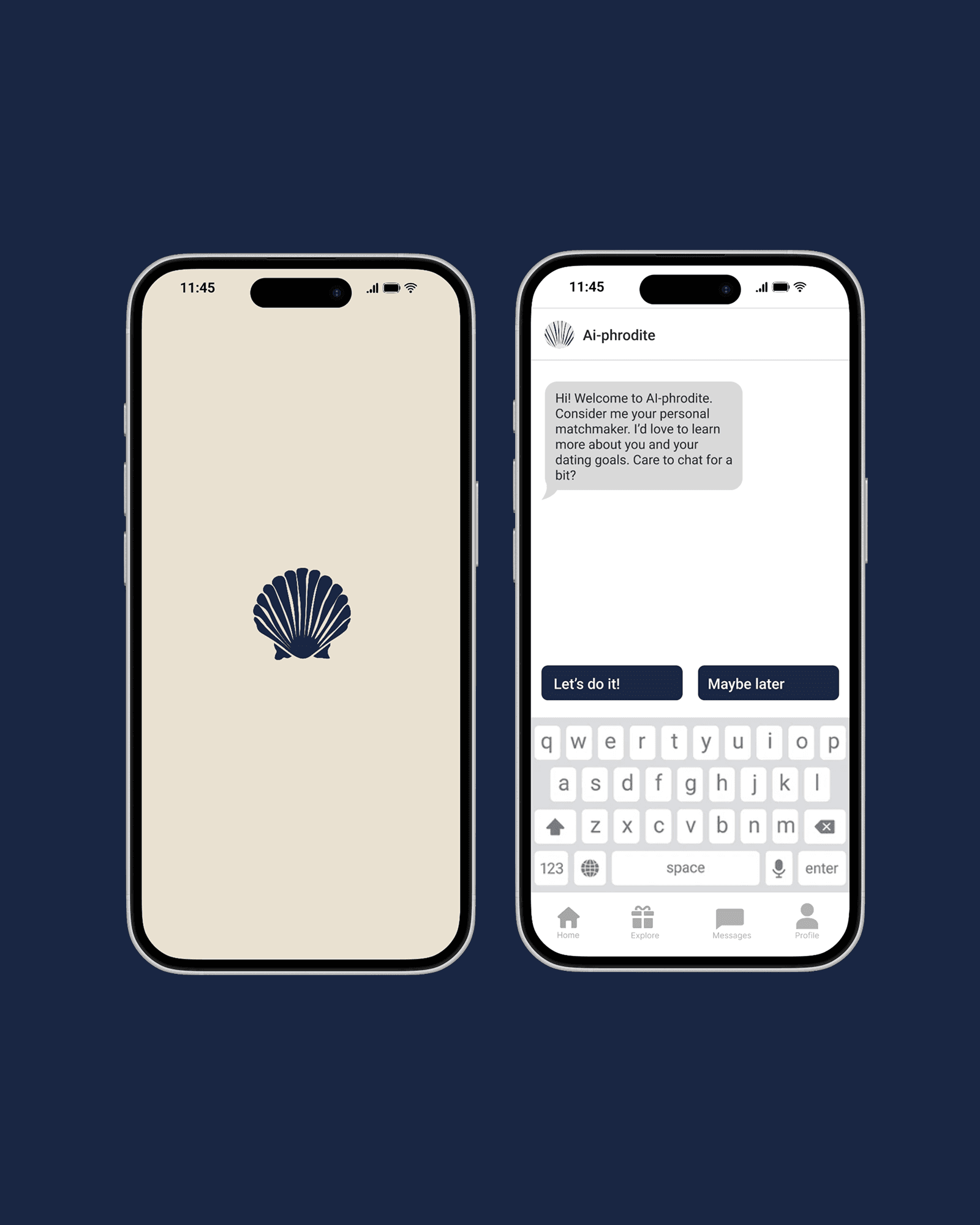
- Conversational user discovery. Users interact with AI-generated personas, allowing the system to learn preferences through conversation rather than relying solely on manually entered profile data.
- AI-driven compatibility. Conversations surface deeper signals around values, intentions, and communication style that inform matching.
- Matchmaker-style feedback. An AI matchmaker explains why users may be compatible and learns from their responses to continually refine future recommendations.
- Personalized matches over endless swiping. Rather than maximizing the number of profiles users see, the experience prioritizes a smaller set of higher-fit connections.
Together, these features create a feedback loop in which the product learns from real interactions and continuously develops a more nuanced understanding of what compatibility means for each user.
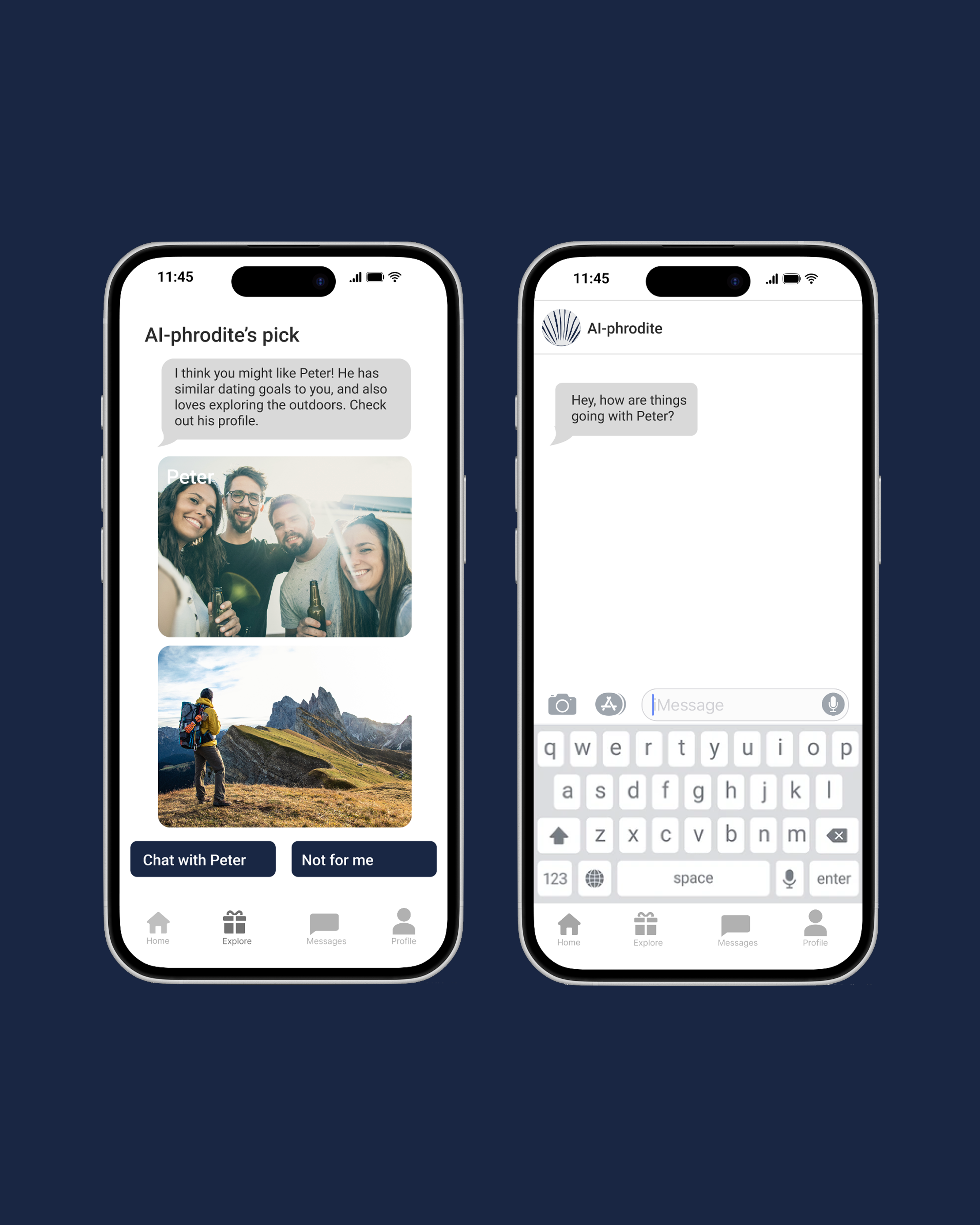
- Early compatibility. AI-phrodite moves deeper signals like values, intentions, and communication style to the beginning of the dating experience rather than discovering them weeks into a connection.
- Fewer, higher-fit matches. Instead of optimizing for endless swiping and engagement, the product is designed around a North Star metric of 2–3 high-compatibility matches per user each week.
- Iterative learning. The adaptive feedback loop allows recommendations to become more personalized over time as users respond to matches and refine what compatibility means to them.
Ultimately, AI-phrodite demonstrates how conversational AI could shift online dating away from maximizing interactions and toward helping users make more intentional, compatibility-driven connections.