Rippl
Mobile App & Web
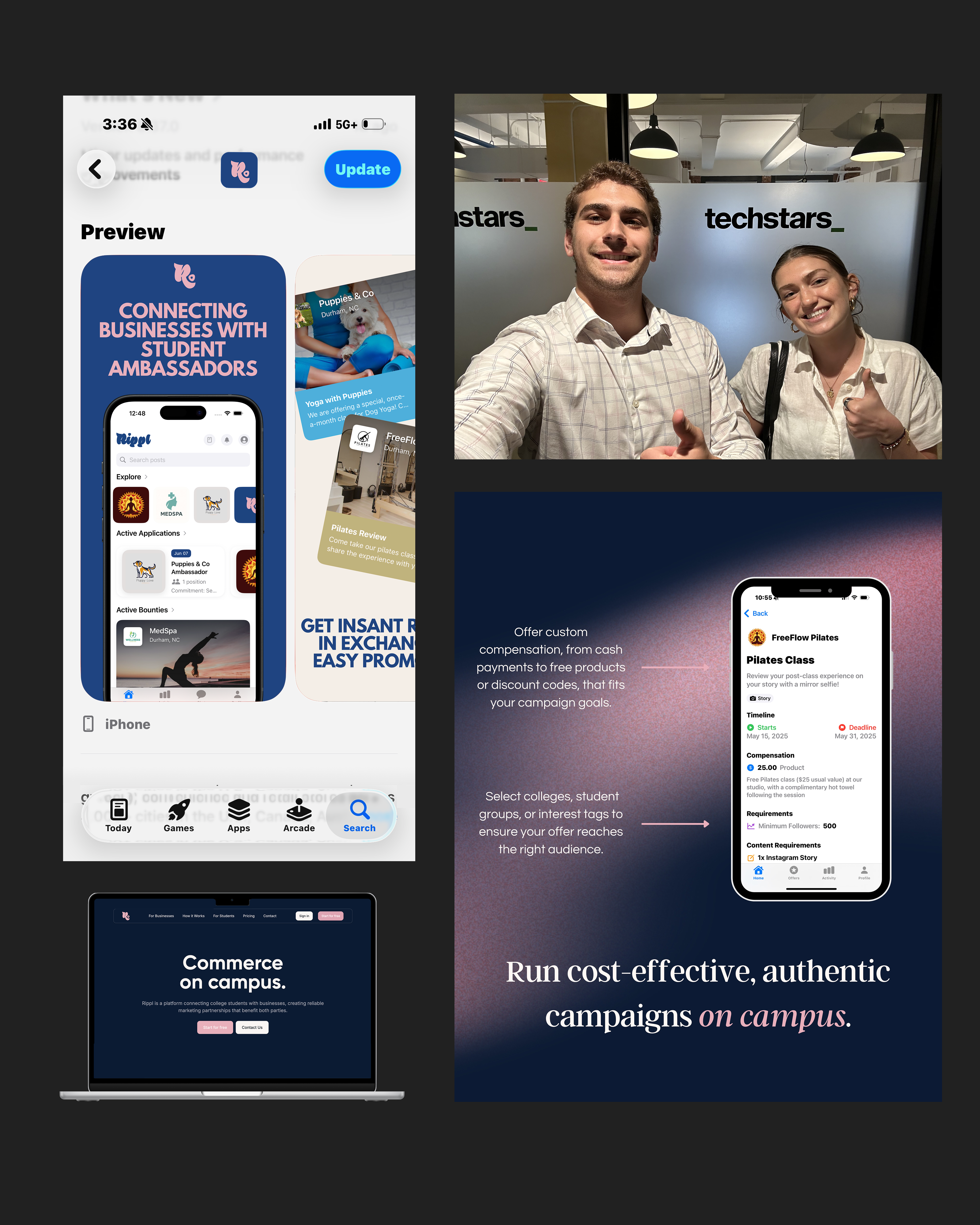
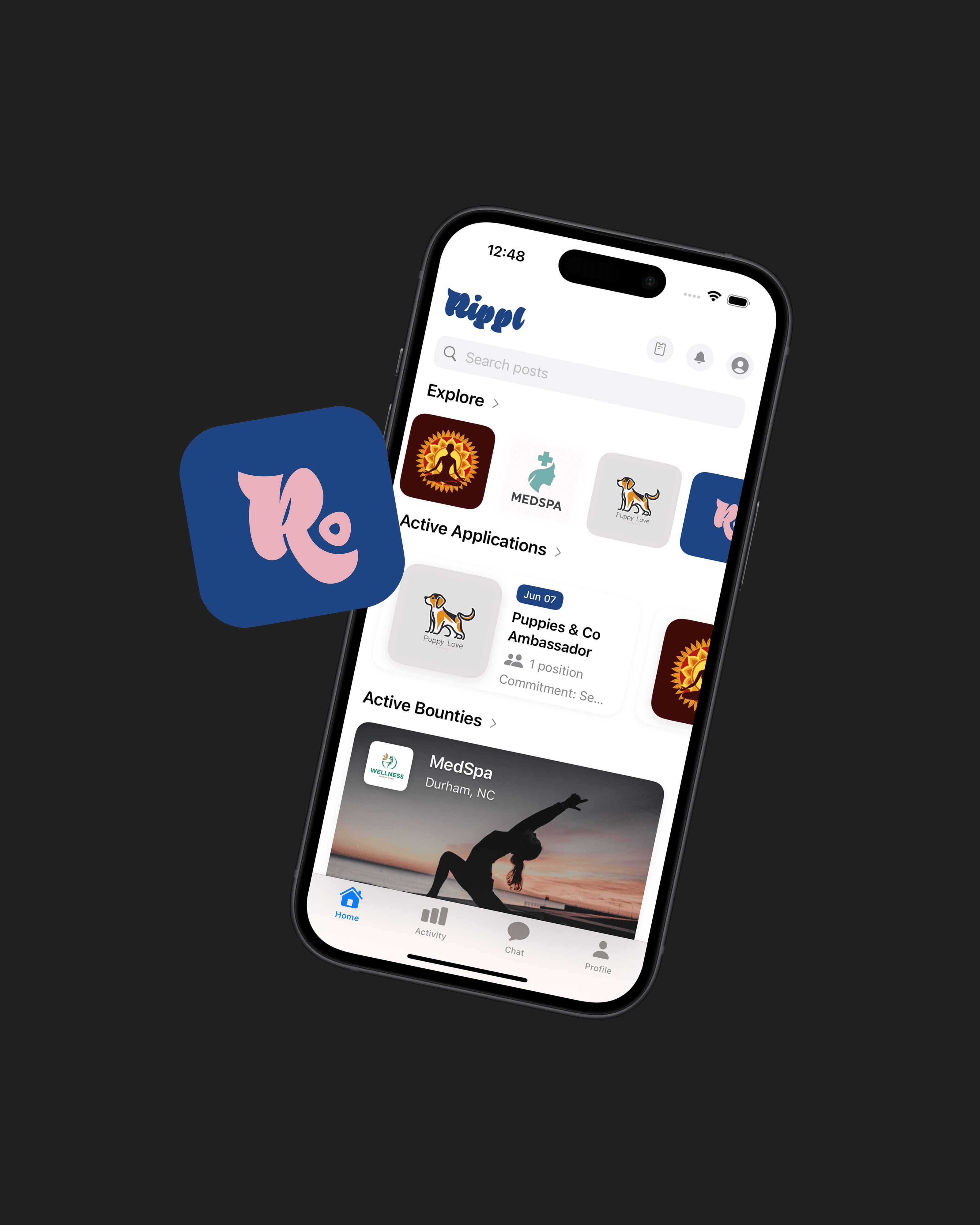
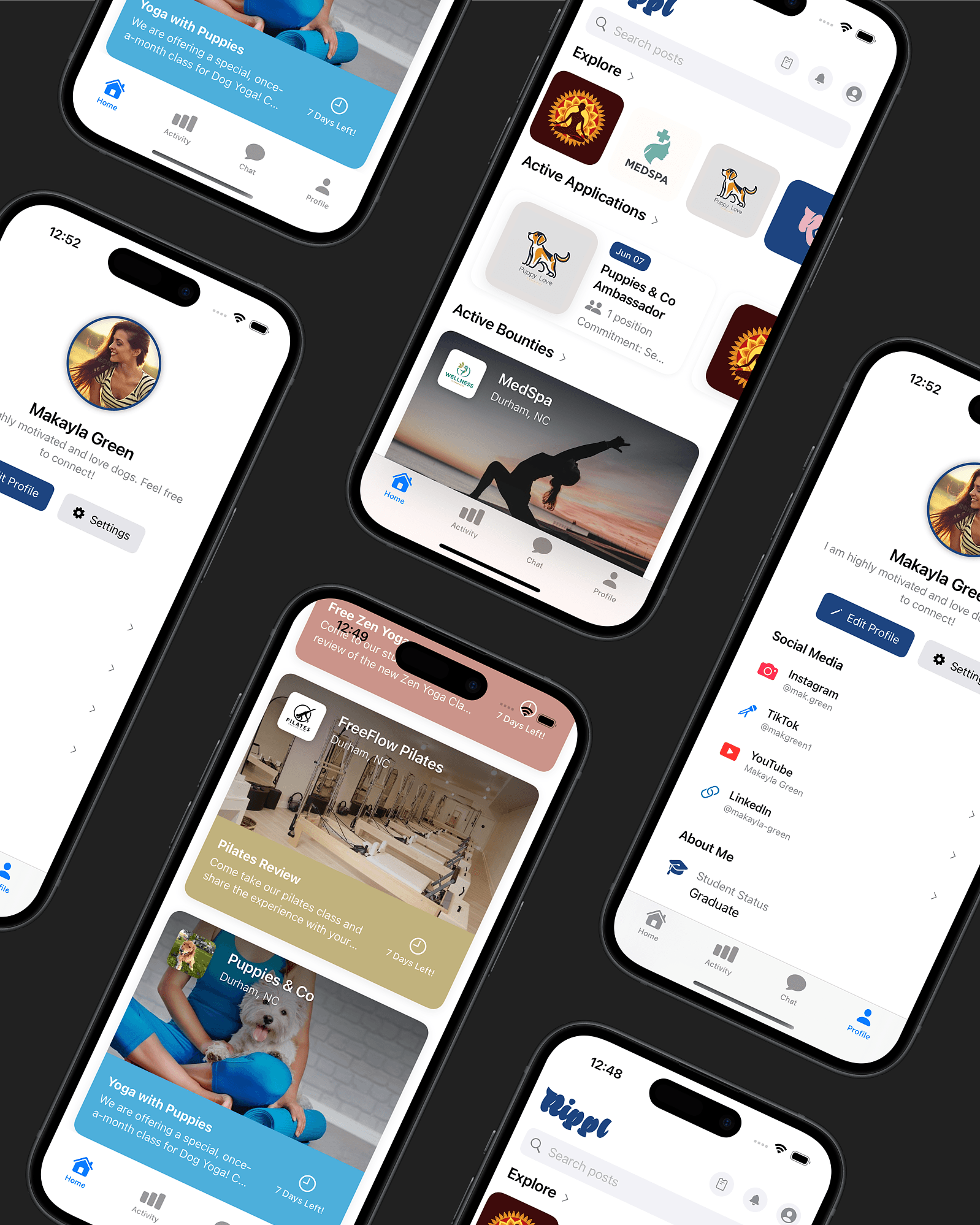
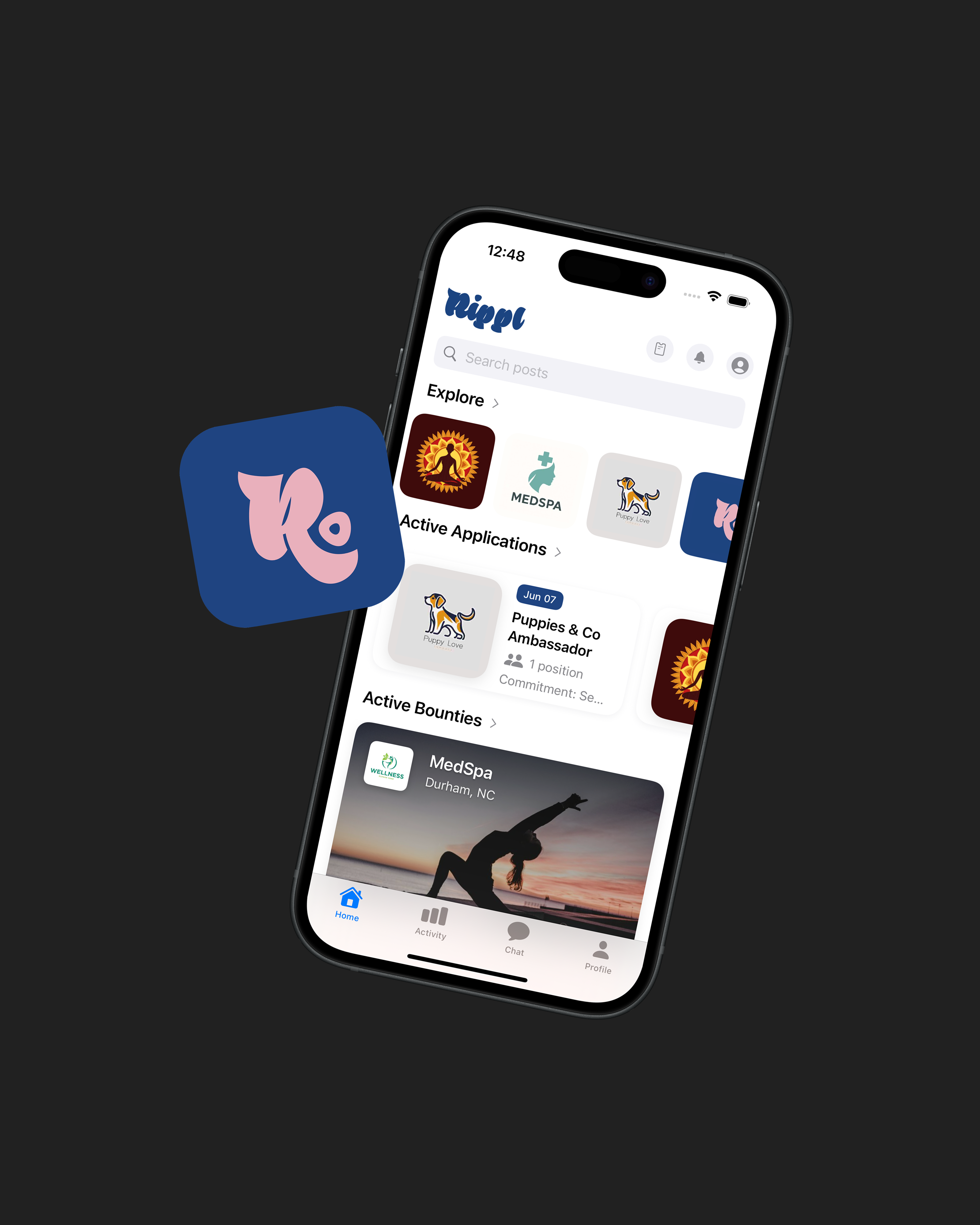
Rippl is a full-stack platform connecting local businesses with student ambassadors, enabling streamlined marketing campaigns and student-led micro-influencing. As co-founder and design lead, I led all visual and UX design efforts. I created a cohesive brand identity, logo, and interactive mockups using Figma and Adobe Illustrator, while developing scalable design systems to enhance user engagement and fuel platform growth.
Project type
Startup
Timeline
2025
Role
Design Lead
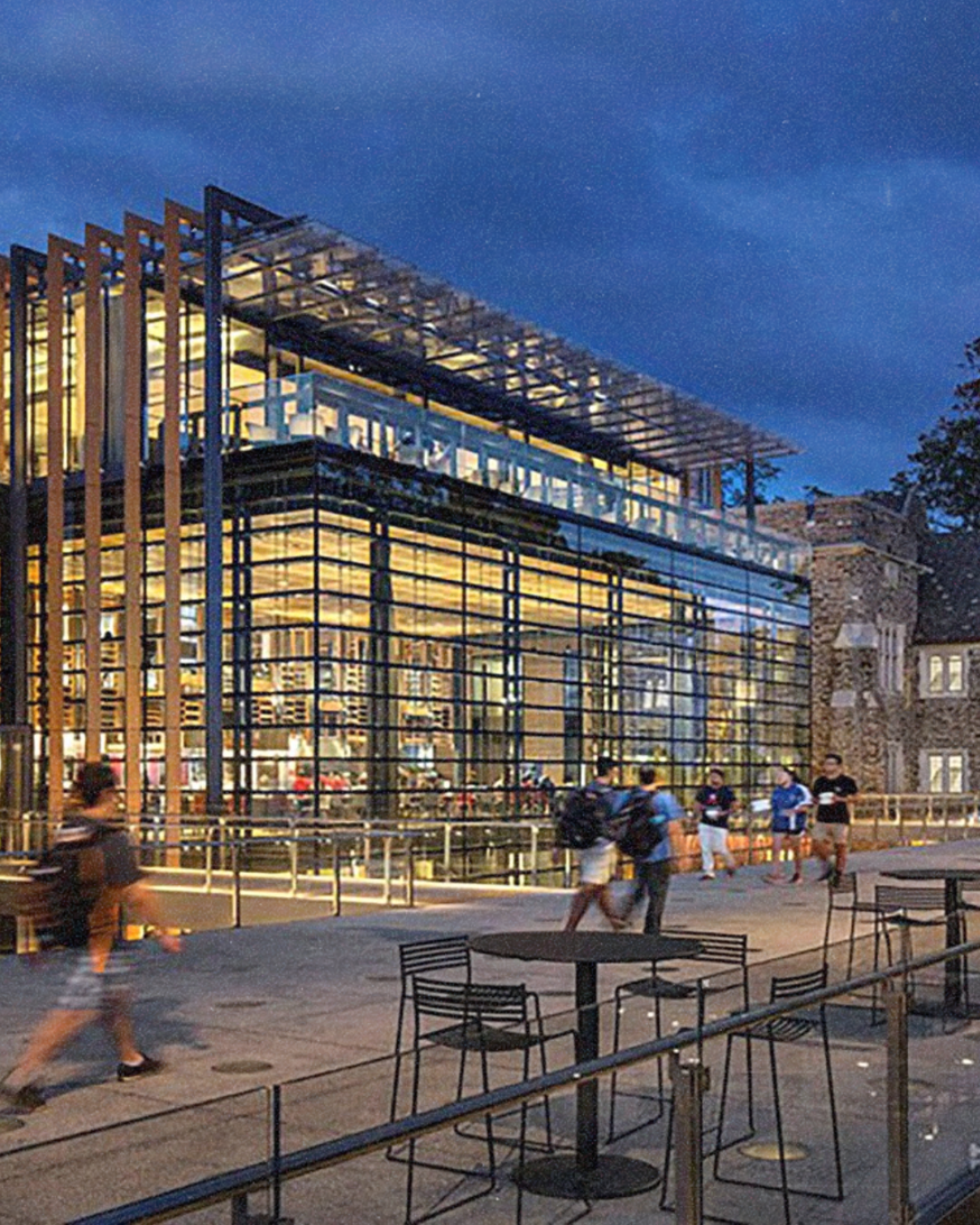
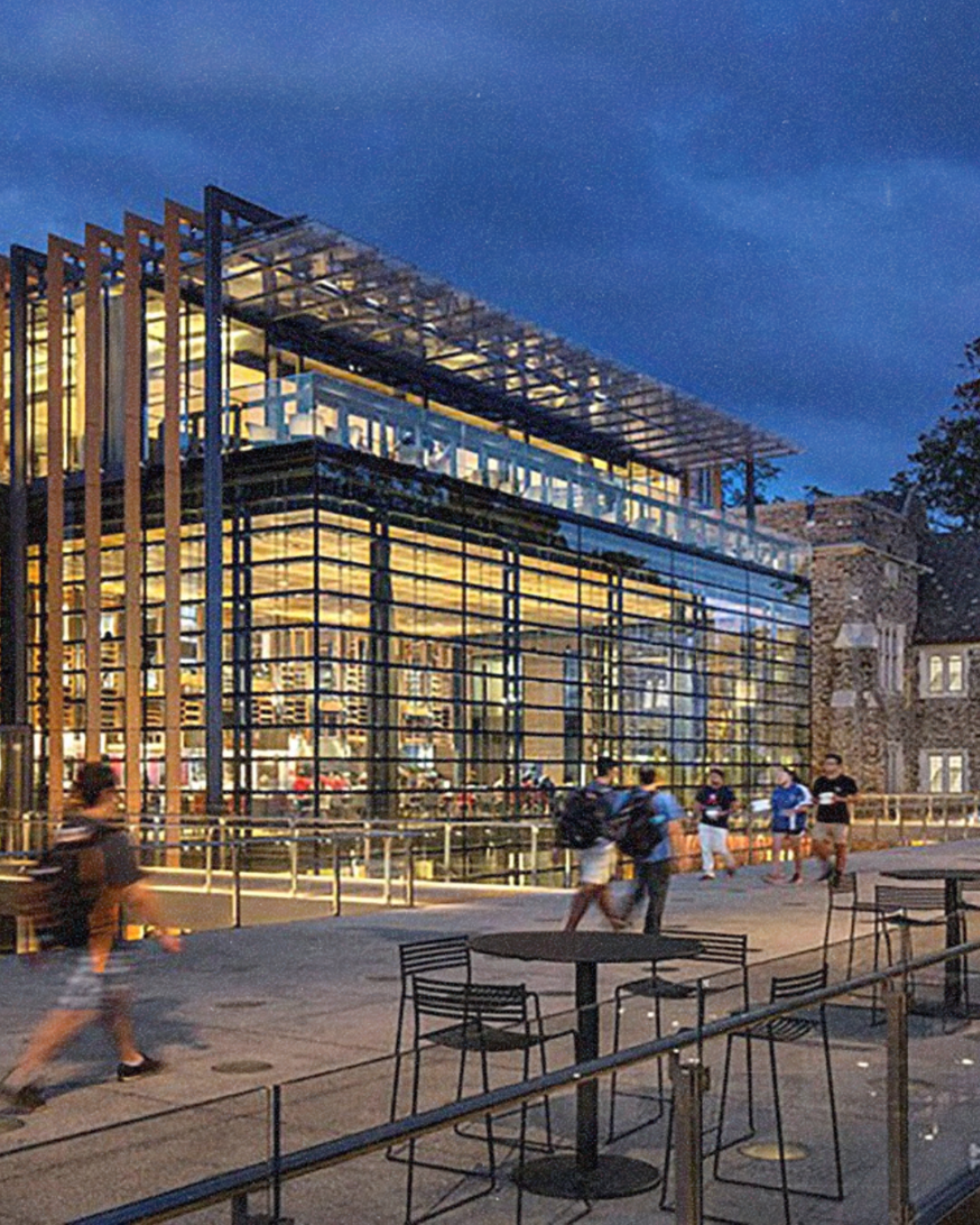
As students at Duke University, my co-founder and I saw firsthand how much local Durham businesses rely on students to maintain consistent traffic and revenue. Yet the marketing tools available to these businesses were not optimized to reach a concentrated university community. Three core challenges shaped the opportunity:
- Reaching the right audience. Traditional social media marketing can generate broad exposure, but local businesses need visibility among the students who can actually become customers.
- Limited marketing resources. Small businesses often don't have the time, budget, or dedicated teams required to consistently create and distribute social content.
- Untapped student influence. Students already share restaurants, shops, and experiences with their friends, but there was no structured way for businesses to activate organic word-of-mouth exposure.
We saw an opportunity to turn behavior that was already happening on campus into a mutually beneficial marketing channel.
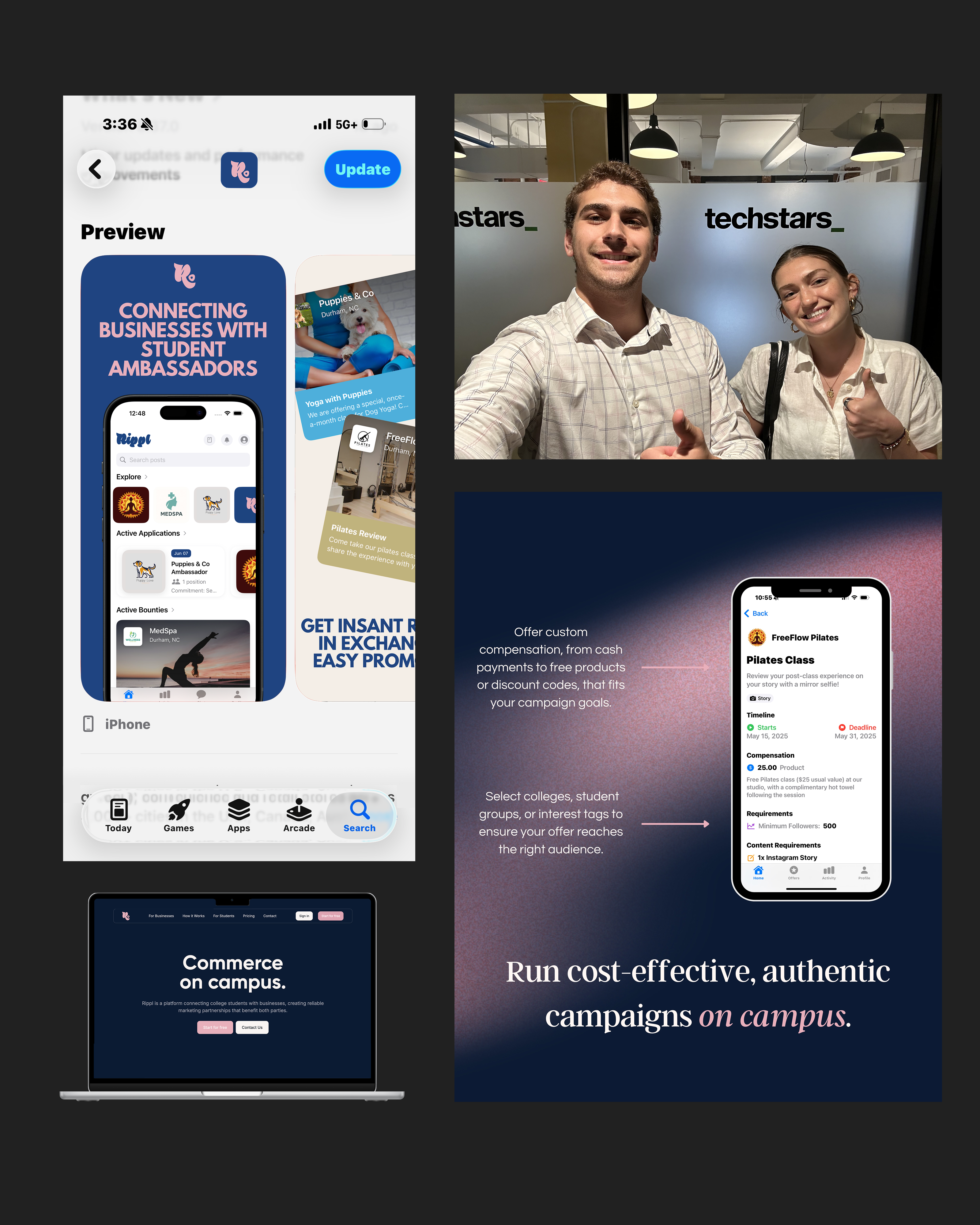
As co-founder and design lead, I owned Rippl's visual identity and product experience, working closely with my co-founder to translate the initial idea into a functioning platform:
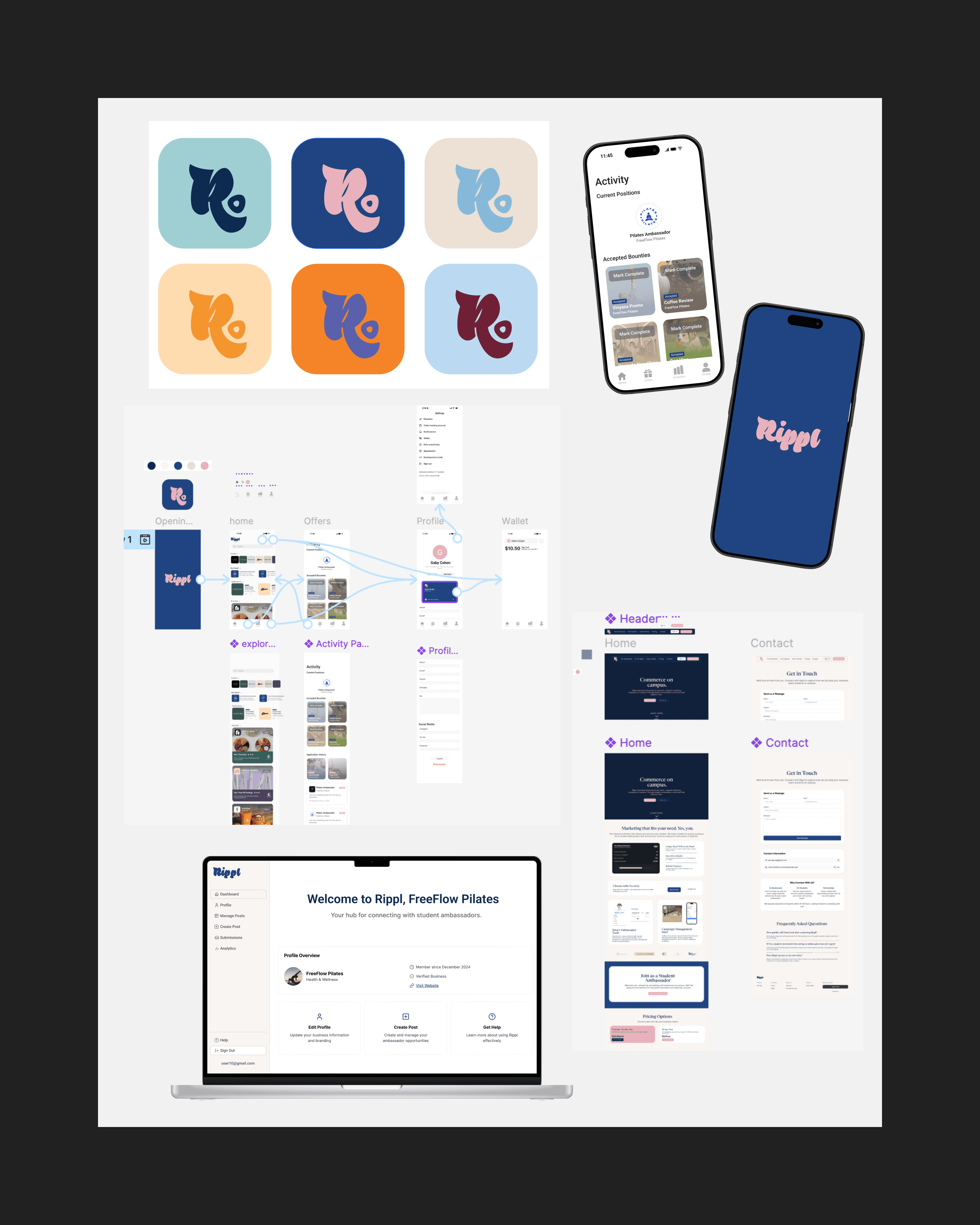
- Brand strategy. Developed Rippl's visual identity from the ground up, including the logo, typography, color system, and broader creative direction.
- User experience. Mapped the end-to-end journeys for both sides of the marketplace, considering how students discover opportunities and how businesses create and manage campaigns.
- Prototyping. Designed high-fidelity interfaces and interactive Figma prototypes to establish and refine the experience before development.
- Design systems. Created reusable components and interaction patterns to maintain consistency as the product expanded across mobile and web.
- Product iteration. Through regular sessions with mentors at a NYC startup accelerator, we continuously refined the product, using outside feedback to challenge assumptions and balance the needs of both sides of the marketplace.
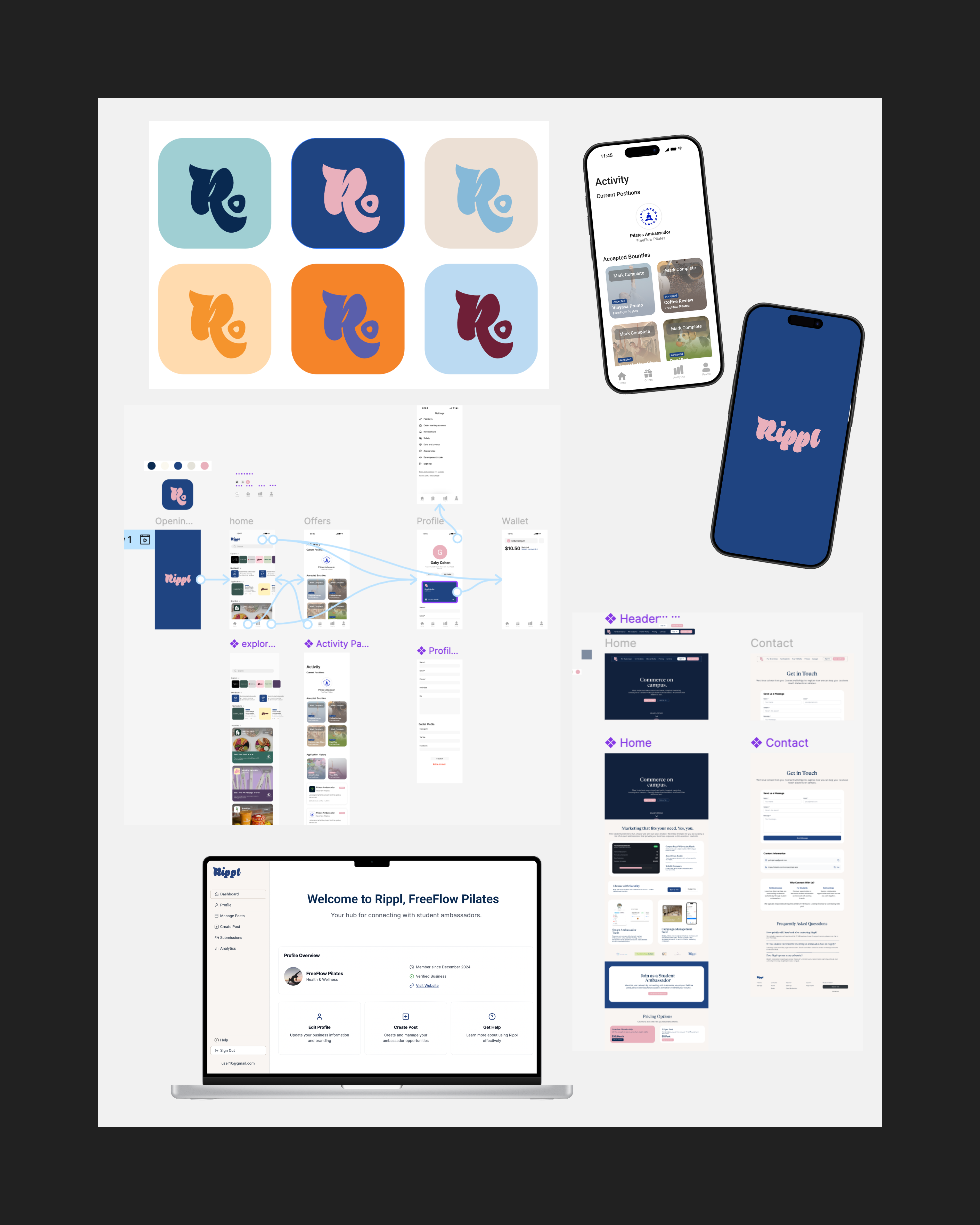
Rippl functions as a modern barter system between university students and local businesses. Businesses provide discounts, free products, and other perks in exchange for student-led social media promotion, creating a two-sided marketplace where each participant provides value to the other.
- Student opportunities. Students can discover local businesses and access perks in exchange for completing simple promotional campaigns.
- Business campaigns. Local businesses can create targeted opportunities designed specifically to reach students on campus.
- Student-led promotion. Instead of relying solely on traditional advertising, businesses gain exposure through authentic content shared within students' existing social networks.
- Two-sided marketplace. Rippl aligns incentives on both sides: businesses gain targeted campus visibility while students receive tangible benefits for their influence.
Rather than asking small businesses to compete for attention through broad digital advertising, Rippl gives them a direct channel into the communities they are trying to reach.
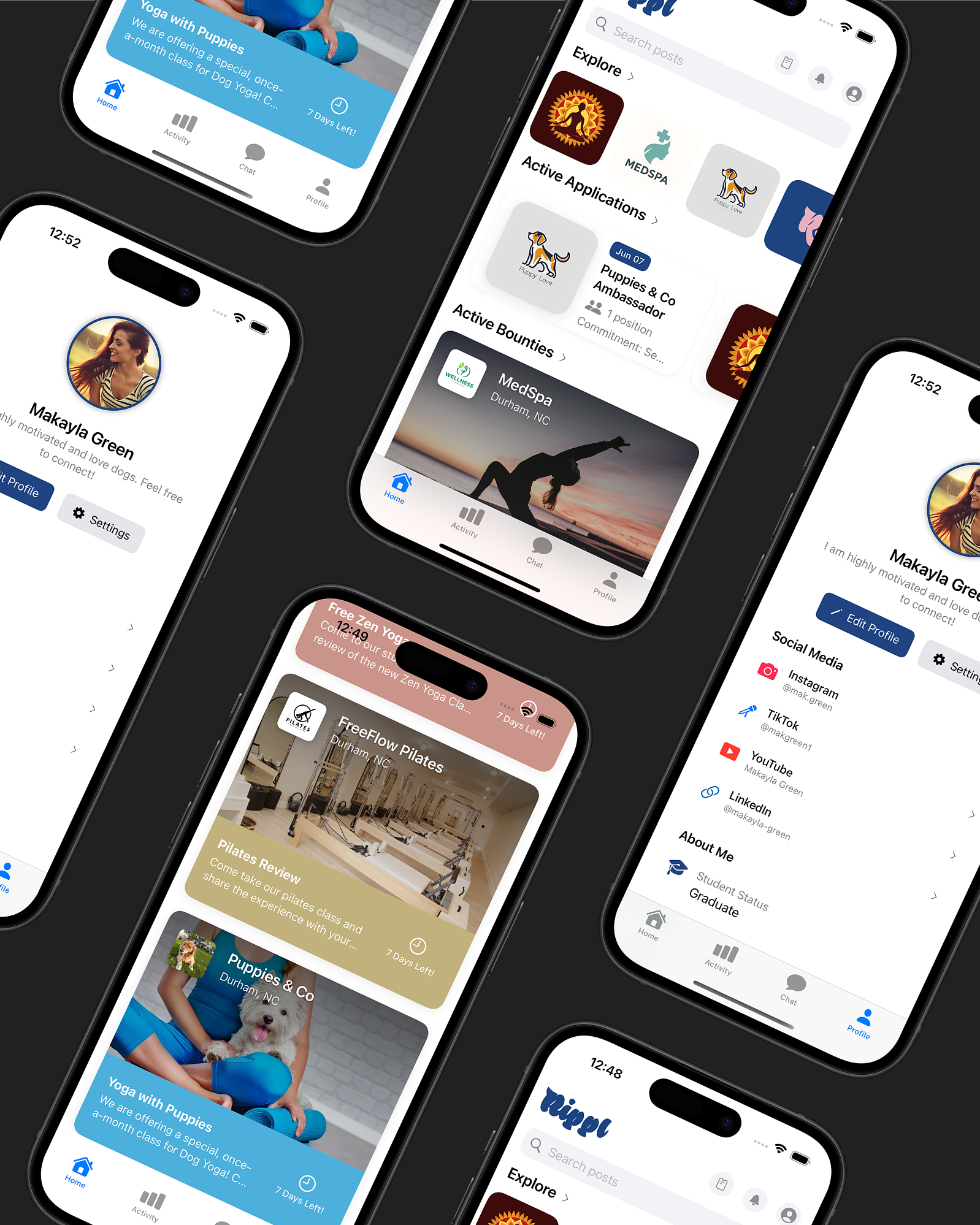


- Idea → full-stack product. Transformed an observed problem within the Duke and Durham community into a functioning mobile and web platform.
- Designed for two distinct users. Created an experience that connects the needs of local businesses seeking exposure with students seeking benefits and experiences.
- Built a scalable brand system. Established a cohesive identity and reusable product design system that can grow alongside the platform.
- Created a new campus marketing channel. Formalized student word-of-mouth into a structured model that gives local businesses another way to reach university communities.
Ultimately, Rippl explores how the relationship between a university and its surrounding businesses can become more reciprocal, turning student influence into value for local businesses while giving students more ways to engage with their community.